
Why the Cryptocurrency Payments Sector Is Poised for Explosive Growth
 Bubble Doge·
The cryptocurrency payments track—centered primarily on stablecoins—is widely seen as on the verge of a major breakout. This is driven by regulatory clarity, surging real-world demand, deepening integration with traditional finance, and catalysts from new use cases such as AI, rather than pure narrative hype. By 2025–2026, the space has shifted from “proof of concept” to “infrastructure rollout + scaled adoption.”
1. Stablecoins Have Become Core Payments Infrastructure, with Scale and Real Usage Exploding
In 2025, on-chain stablecoin settlement volume reached approximately $33 trillion (up ~72% year-over-year), surpassing the combined transaction volume of Visa and Mastercard. Even after stripping out trading and conversion noise, real economic activity still stood around $28 trillion. Stablecoin total supply surpassed roughly $300 billion by 2026. Genuine payment activity is growing rapidly: McKinsey and others estimated about $390 billion in real stablecoin payments in 2025 (more than doubling year-over-year), with B2B accounting for ~60%. In the first eight months of 2026 alone, payments hit at least $401 billion (+42% YoY). Velocity of circulation has risen, C2B (consumer-to-business) transaction counts surged 128% year-over-year in 2025, and stablecoin payment-card collateral and usage climbed from near zero. Cross-border remittances, corporate settlement, and everyday payments in emerging markets are the main growth drivers.
Traditional cross-border payments still average high fees (over 6%) and take days to settle, while stablecoins enable near-instant, low-cost transfers—directly addressing structural pain points for the unbanked and Global South.
2. Clearer Regulatory Frameworks Are the Biggest Catalyst
The U.S. GENIUS Act (signed in July 2025) established a federal framework for payment stablecoins (including 1:1 reserve requirements), significantly boosting institutional confidence and accelerating transaction volumes. The EU’s MiCA, Hong Kong’s Stablecoin Ordinance, and similar rules elsewhere have also come into force, giving banks, payment firms, and enterprises clearer compliance pathways. Regulation has moved from a “gray zone” to “predictable infrastructure,” unlocking large-scale traditional finance participation.
3. Traditional Payments Giants and Institutions Are Aggressively Positioning
Stripe acquired Bridge for about $1.1 billion; Mastercard acquired BVNK. Visa’s stablecoin settlement has reached an annualized run-rate exceeding $20 billion (up more than 15× year-over-year), with over 160 stablecoin-linked card programs live. BlackRock, UBS, and others have published reports positioning stablecoins as a mainstream payment and AI settlement rail. UBS projects stablecoin market capitalization could reach ~$1.2 trillion by 2031, with real-world payment volume around $3 trillion. Crypto payments-related VC funding rose sharply in 2025, making payments one of the few crypto sub-sectors with genuine product-market fit that continues to attract capital.
Merchant incentives are clear: traditional card networks charge 1.5–3.5% fees with settlement delays, while stablecoins offer near-real-time clearing at lower cost.
4. AI Agents and Machine-Native Payments Create Entirely New Demand
Reports from BlackRock and others highlight that autonomous AI systems require high-frequency, low-cost, programmable micropayments (often under one cent per transaction, with millions of daily frequencies). Traditional ACH and credit-card networks have structural limitations here. Stablecoins—programmable and instant—are emerging as the preferred solution. AI agents already account for a meaningful share of activity on some payment protocols; as AI infrastructure investment and cloud revenues expand, machine-to-machine payment demand is expected to grow substantially.
5. Additional Supporting Factors
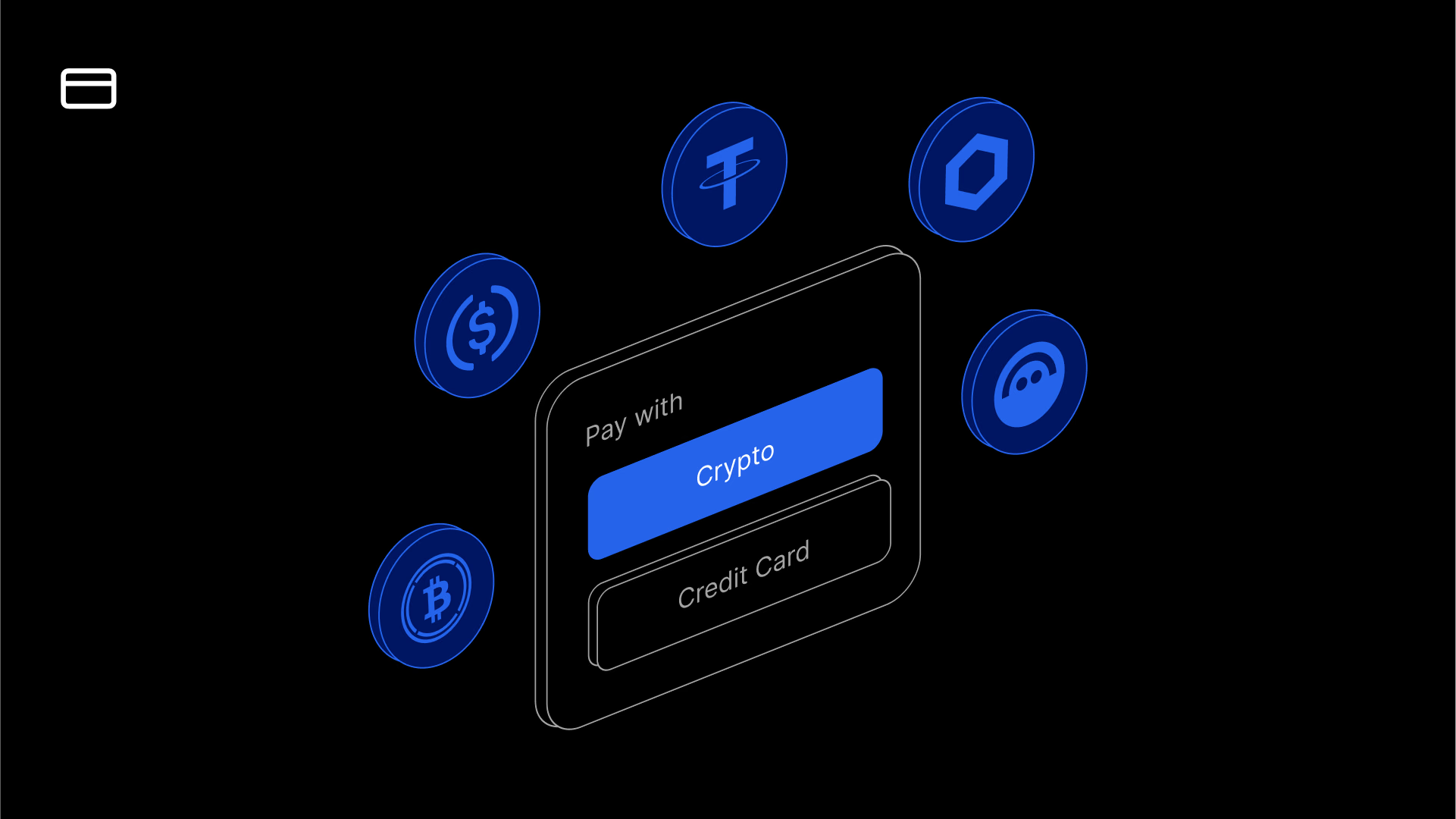
Technical maturity: Account abstraction, Layer-2 solutions, and dedicated payment protocols (e.g., x402) have lowered barriers. Crypto cards link stablecoin balances directly to Visa/Mastercard merchant networks, delivering a user experience close to traditional payments. Expanding use cases: B2B cross-border and corporate settlement lead, while retail, payroll, supplier payments, and RWA settlement are growing. Asia (especially Singapore, Hong Kong, and Japan) accounts for a high share of stablecoin payment volume. Broader institutional and corporate interest: From payment companies to e-commerce giants (including players such as JD.com expressing interest), firms are exploring ways to cut cross-border costs and boost efficiency.
In summary, three forces are converging: stablecoin scale is now sufficient to support real commercial liquidity, regulatory clarity has reduced compliance friction, and new demands (especially from AI) are exposing the shortcomings of legacy payment rails. This has moved Web3 payments from “can it work?” to “who will define the standards and control the entry points.” While the overall share of global payments remains small and volatility/compliance challenges persist, the data and moves by major players indicate that this sector is transitioning from the periphery toward core financial infrastructure. Future growth will concentrate on B2B, cross-border flows, card-based adoption, and machine-payment scenarios.

